JOIN THE ONLY CERTIFIED CBP CLINIC IN OMAN!!!



Do You Have Scoliosis?
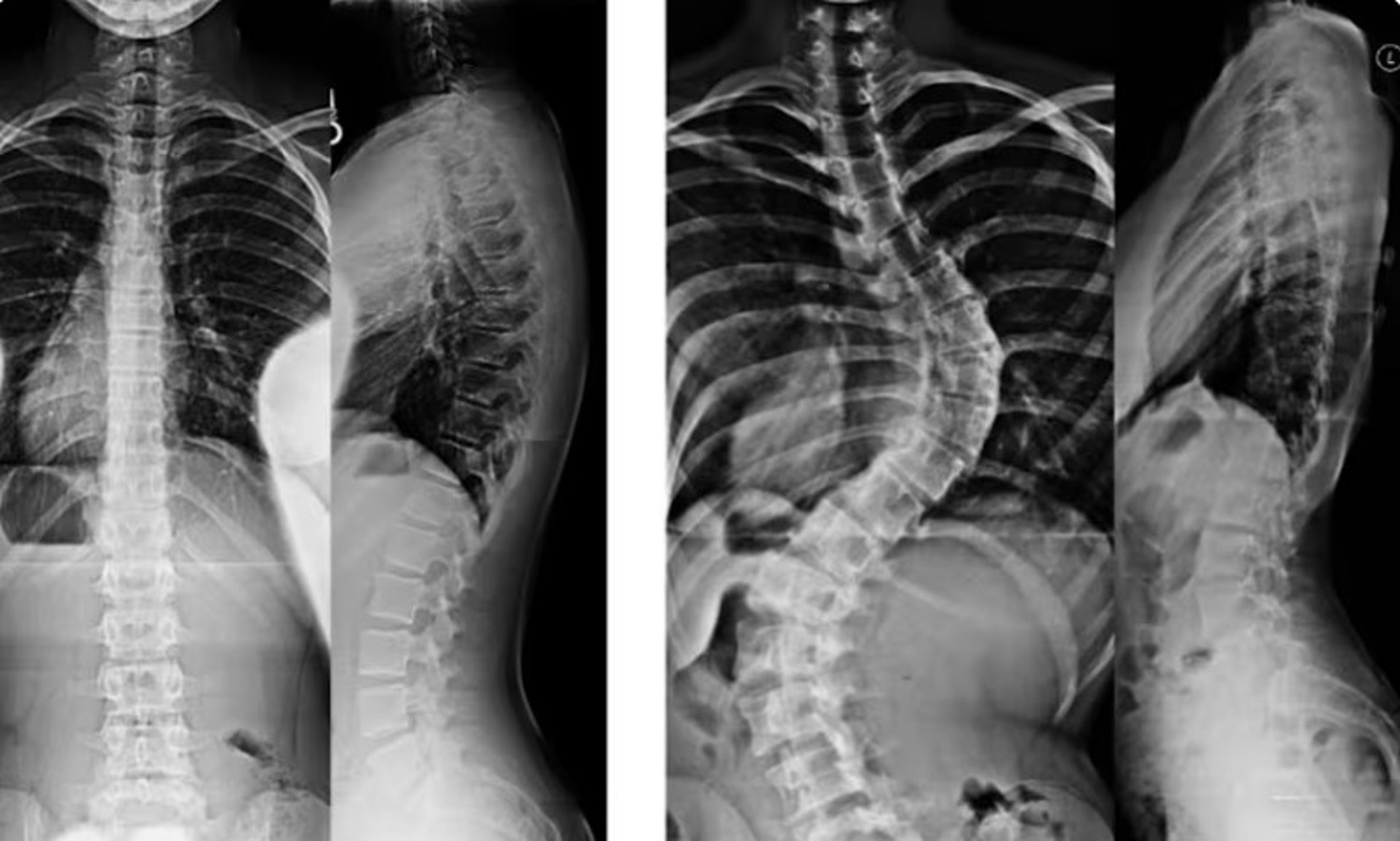
Scoliosis often develops gradually and may not cause obvious pain in its early stages. Many individuals — both children and adults — are unaware they have scoliosis until postural changes or asymmetries become noticeable. Understanding the common signs of scoliosis can help determine whether a professional evaluation may be appropriate.
At CBP Precision Spine Center in Muscat, Oman, scoliosis assessments are designed to identify structural spinal changes early and guide appropriate next steps.
Common Signs and Postural Indicators of Scoliosis
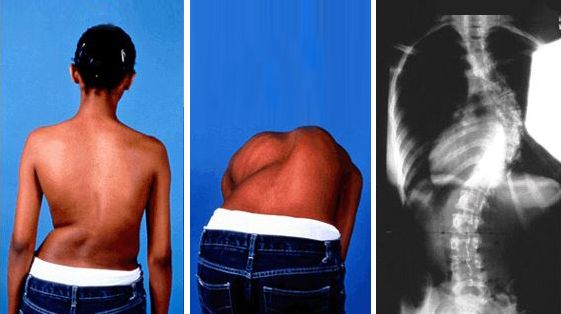
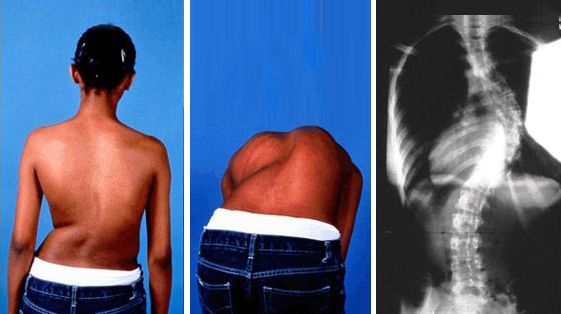
Scoliosis affects spinal alignment and posture. You or your child may benefit from an evaluation if you notice one or more of the following:
Visible Postural Asymmetry
Uneven shoulders or shoulder height
One hip appearing higher than the other
Uneven waist or body contour
One shoulder blade protruding more prominently
Changes in Standing or Sitting Posture
Leaning consistently to one side
Head appearing shifted off-center over the pelvis
Difficulty maintaining upright posture for long periods
Rib or Back Prominence
When bending forward (such as tying shoes), one side of the rib cage or lower back may appear higher or more prominent — a common sign of spinal rotation associated with scoliosis.

Functional and Physical Symptoms That May Be Associated
While scoliosis does not always cause pain, some individuals may experience:
Back, neck, or shoulder discomfort
Reduced spinal flexibility
Postural strain during daily activities or sports


Symptoms may differ between children, adolescents, and adults and are not always proportional to curve size.

When Should You Seek a Scoliosis Evaluation?
You should consider a professional scoliosis assessment if:
Postural changes appear to be worsening
Asymmetry becomes more noticeable over time
There is a family history of scoliosis
A school screening or healthcare provider suggested further evaluation
Pain or functional limitations are affecting daily life
Early evaluation allows for appropriate monitoring and the consideration of non-surgical management options when indicated.
Scoliosis evaluation at CBP Precision Spine Center in Muscat may include:
Detailed clinical history
Postural and movement analysis
Range-of-motion assessment
Spinal imaging when clinically appropriate
These objective findings help determine whether scoliosis is present, the nature of the curve, and whether further care — such as monitoring, rehabilitation, or bracing — may be appropriate.
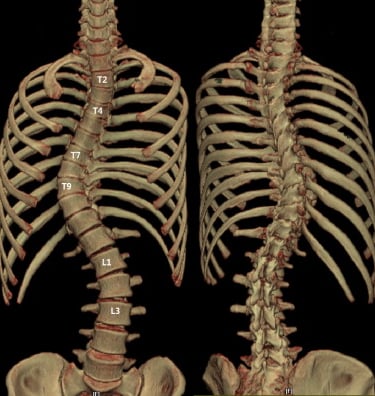
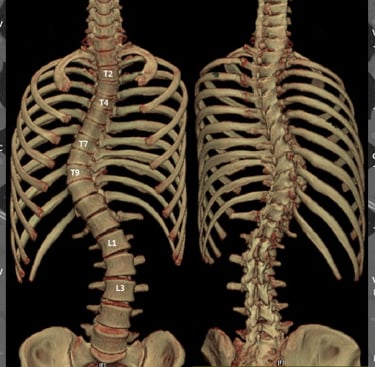
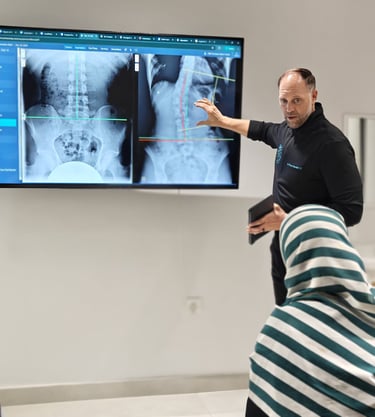
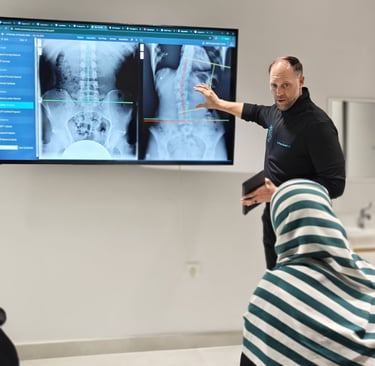
How Scoliosis Is Evaluated at CBP Precision Spine Center?
Next Steps if Scoliosis Is Identified
If scoliosis is confirmed, care recommendations are tailored to the individual and may include:
Ongoing monitoring
Postural and spinal rehabilitation using CBP principles
Consideration of evidence-based bracing options such as ScoliBrace® when indicated
Functional and movement-based support strategies
Not all scoliosis cases require the same approach. Evaluation helps determine the most appropriate course of action.
Schedule a Scoliosis Evaluation in Muscat with Dr. Richard Marchetti
If you suspect scoliosis or have noticed postural changes in yourself or your child, contact CBP Precision Spine Center in Muscat, Oman to schedule a comprehensive scoliosis evaluation with our clinical team..

Chiropractor Near Me and For Me.
Experience for yourself what a huge difference Muscat's best chiropractor and Chiropractic BioPhysics© can make in your life.