JOIN THE ONLY CERTIFIED CBP CLINIC IN OMAN!!!



Scoliosis Symptoms
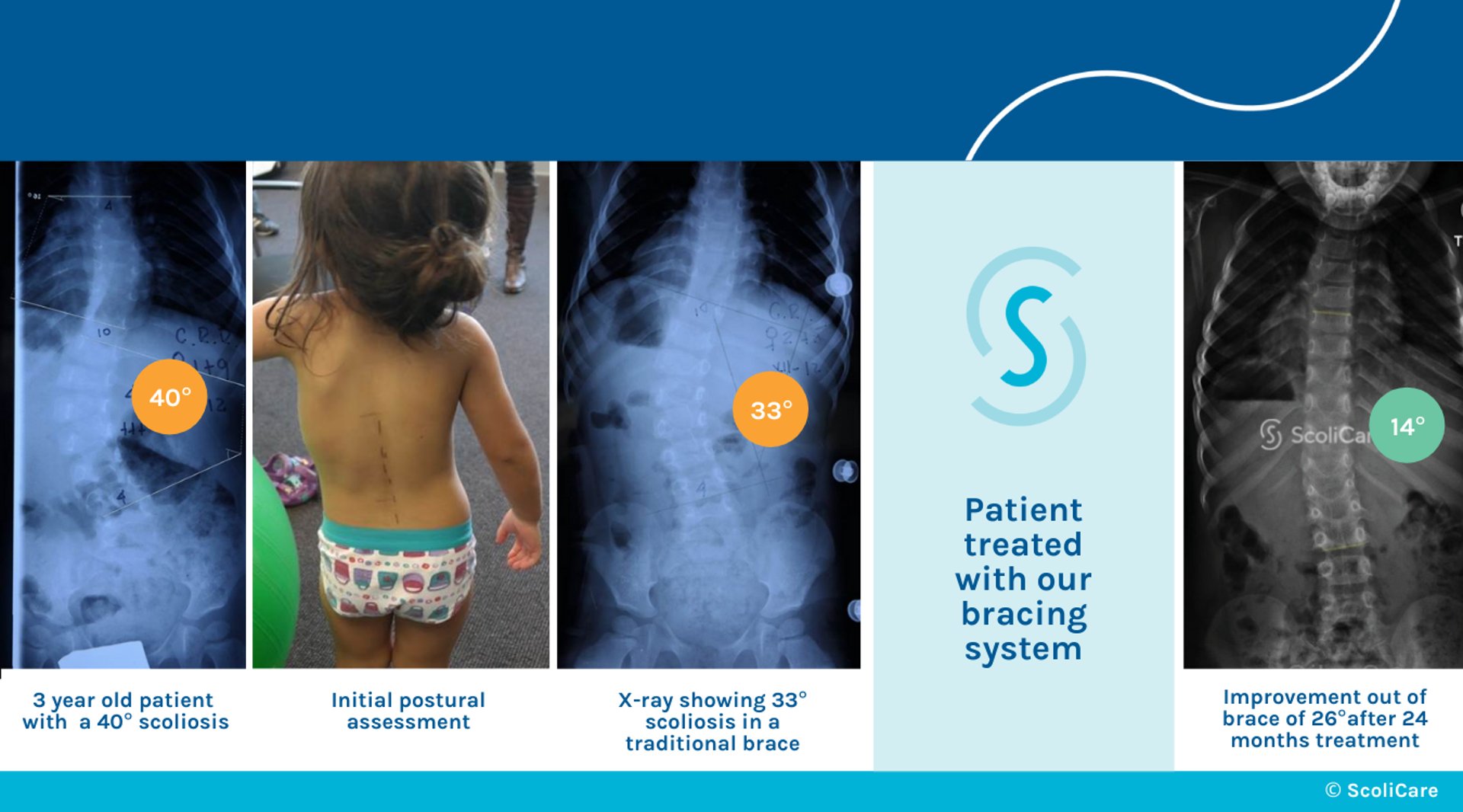
Scoliosis symptoms can vary widely depending on the type, severity, and progression of the spinal curve. While some individuals experience minimal or no discomfort, others may develop noticeable postural changes, functional limitations, or progressive symptoms over time.
At CBP Precision Spine Center in Muscat, Oman, we emphasize early recognition of scoliosis-related symptoms to support appropriate evaluation, monitoring, and non-surgical care when indicated.
Because scoliosis often develops gradually, symptoms may be subtle at first and easy to overlook. In many cases, postural changes appear before pain or functional limitations. Understanding both the early and long-term symptoms of scoliosis can help determine when a professional assessment may be appropriate.
Early scoliosis symptoms are often related to posture and body symmetry rather than pain.
Postural Changes
and Asymmetry
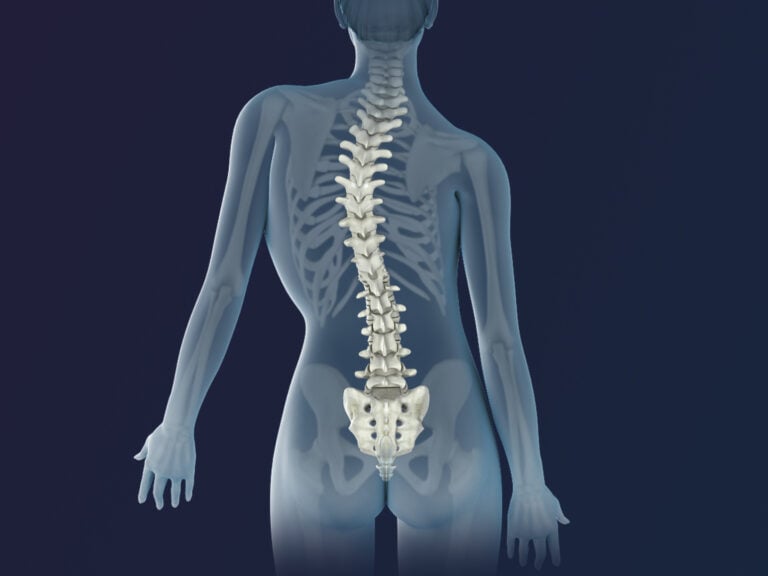
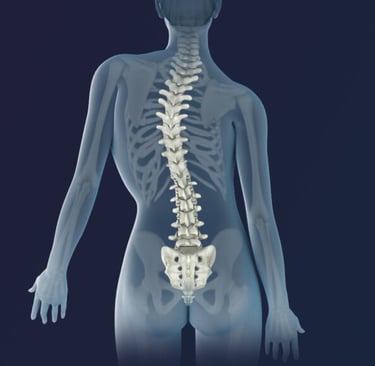
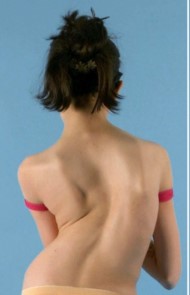
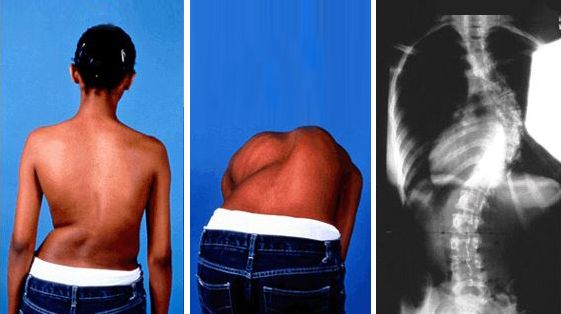
Uneven shoulders or shoulder height
One hip appearing higher than the other
Uneven waistline or body contour
One shoulder blade more prominent than the other
Changes in Body Alignment
Leaning consistently to one side
Head appearing off-center over the pelvis
Difficulty maintaining symmetrical posture
Rib or Back Prominence
When bending forward, one side of the rib cage or lower back may appear more elevated — a common sign associated with spinal rotation in scoliosis.
Early and Short-Term Symptoms of Scoliosis
While scoliosis does not always cause pain, some individuals may experience:
Back, neck, or shoulder discomfort
Muscle tension or fatigue
Reduced spinal flexibility
Postural strain during daily activities
Uneven movement patterns during walking or exercise
Symptoms may differ between children, adolescents, and adults and are not always proportional to the size of the spinal curve.
Functional and Physical Symptoms That May Develop
When scoliosis is not appropriately monitored or managed, it may contribute to long-term symptoms and functional limitations that affect posture, mobility, and overall quality of life. In individuals with moderate to more pronounced spinal curvature, scoliosis can progress over time—particularly during growth periods or in adulthood. The following outlines some of the potential long-term effects associated with untreated or unmonitored scoliosis.
Chronic Pain and Discomfort
Ongoing Back, Neck, or Joint Pain
As scoliosis progresses, chronic pain may develop due to increased mechanical strain on spinal muscles, ligaments, discs, and joints. This is particularly common in adults with degenerative scoliosis, where age-related spinal changes coexist with curvature.
Nerve-Related Symptoms
In more advanced cases, spinal curvature may contribute to nerve irritation or compression, leading to symptoms such as pain, numbness, tingling, or weakness in the legs, feet, or other affected areas.
Long-Term or Progressive Symptoms of Scoliosis

Breathing and Cardiovascular Considerations
Reduced Lung Capacity
In severe scoliosis, spinal and rib cage distortion may limit chest expansion, affecting lung capacity and making deep breathing more difficult. This can contribute to reduced stamina and difficulty with physical activity.
Cardiovascular Strain (Rare Cases)
In rare situations involving pronounced spinal curvature, compression within the chest cavity may place added strain on the heart, potentially affecting overall cardiovascular efficiency.


Postural Challenges and Mobility Restrictions
Persistent Postural Imbalance
Over time, scoliosis may lead to lasting postural changes, including uneven shoulders, hips, or visible spinal curvature. These imbalances can affect comfort during sitting, standing, or walking.
Reduced Flexibility and Movement Efficiency
Progressive spinal curvature and associated muscle imbalance may limit spinal mobility, making daily movements and physical tasks more challenging.
Self-Image and Confidence Concerns
Because scoliosis can affect visible posture and body symmetry, some individuals may experience concerns related to body image or self-confidence.
Reduced Quality of Life
Chronic discomfort, physical limitations, and reduced activity tolerance may impact overall quality of life, making it more difficult to maintain an active or socially engaged lifestyle.
Psychosocial and Quality-of-Life Impact

Schedule a Scoliosis Evaluation in Muscat, Oman
If you or your child is experiencing postural changes, spinal asymmetry, or symptoms commonly associated with scoliosis, contact CBP Precision Spine Center in Muscat, Oman to schedule a comprehensive scoliosis evaluation with Dr. Richard Marchetti, a clinician specializing in evidence-based scoliosis assessment and non-surgical spinal care.
Our clinical team will perform a detailed evaluation to determine the presence and characteristics of scoliosis and discuss appropriate next steps tailored to your individual needs.

Chiropractor Near Me and For Me.
Experience for yourself what a huge difference Muscat's best chiropractor and Chiropractic BioPhysics© can make in your life.